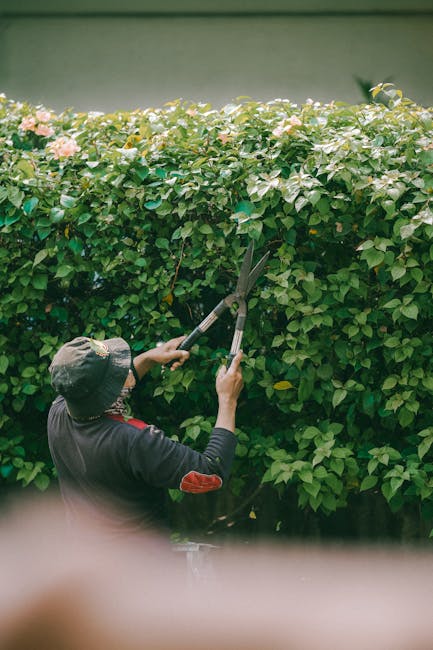
Same day gardeners in Acton for emergency hedge problems

When a hedge suddenly flops into a driveway, blocks a front path, brushes against a fence in high wind, or starts shedding broken branches after a rough night, you do not want to wait around. You want someone who understands the problem, turns up quickly, and sorts it without making a bigger mess. That is exactly where same day gardeners in Acton for emergency hedge problems can make all the difference.
In real life, hedge emergencies are rarely dramatic in the cinematic sense. More often they are awkward, inconvenient, and just a bit stressful. A neighbour is expecting access. The front garden looks unsafe. A hedge has snapped and is hanging at a strange angle. This guide walks through what counts as an emergency, how same day help works, what to expect, and how to choose the right local support when you need action fast.
Why same day hedge help matters
A hedge problem becomes urgent for a few simple reasons: safety, access, weather exposure, and the way small issues can become bigger ones overnight. A leaning hedge may be more than ugly. It can signal broken roots, storm strain, or a plant that is close to failing. If it is near a path, road edge, or boundary fence, that is a hassle with a timer on it.
Acton properties vary a lot. You get compact front gardens, shared side passages, terraced layouts, and mature greenery squeezed into tight spaces. That means one broken section of hedge can affect more than the hedge itself. It can block bins, hinder pedestrians, create neighbour disputes, or leave a gap that exposes a garden to view and weather. Not ideal. Not by a long shot.
There is also the practical side. If a hedge is already overgrown or damaged, waiting several days can mean more breakage, more cleanup, and a higher chance the job needs additional work. Same day response helps you contain the problem while it is still manageable.
For homeowners, landlords, letting agents, and property managers, quick hedge intervention is often about calm as much as appearance. When someone turns up and says, in plain English, "We can deal with this today," it takes a weight off. You can get on with the rest of your day instead of staring out of the window wondering whether that branch is going to drop.
How same day hedge help usually works
The process is usually straightforward, although each job is different. A good local gardener will ask a few quick questions first: what happened, where the hedge is, how severe the damage looks, and whether it affects access or safety. That first conversation matters. It helps them decide whether the issue is a tidy-up, a reduction, a stabilising cut, or something that needs more careful handling.
From there, the likely sequence is:
- Initial assessment. The gardener checks the hedge condition, surrounding structures, and any immediate hazards.
- Urgency decision. They decide whether the work can be done safely that day or whether another approach is needed.
- On-site action. This may include removing broken sections, restoring shape, reducing weight, clearing debris, or making the hedge safe.
- Waste handling. Cuttings and damaged material are collected and taken away or stacked neatly for later removal, depending on the arrangement.
- Follow-up advice. You should get practical guidance on aftercare, next trimming dates, and whether the hedge needs a later maintenance visit.
Sometimes the same day solution is a stabilising one rather than a full beauty cut. That is worth saying plainly. If a hedge has been battered by wind, the priority may be to make it safe and tidy first, then return later for shaping. In other words: safety now, perfect finish later. Sensible, really.
Good service should also involve clear communication about access, timing, and what will happen if the hedge turns out to be linked to a larger issue such as root failure or boundary damage. If you want to understand broader service options, it can help to review the services overview before booking.
Key benefits and practical advantages
Same day emergency hedge help is not just about speed. Speed is part of it, sure, but the real value is in limiting disruption and preventing the situation from getting worse.
- Faster risk reduction. Loose branches, leaning stems, and blocked access get dealt with promptly.
- Less damage. The sooner a hedge is supported, cut back, or cleared, the lower the chance of extra breakage.
- Better neighbour relations. A quick response can prevent a small boundary issue from becoming a long-running annoyance.
- Cleaner presentation. Front gardens, entrances, and shared spaces look usable again, often the same day.
- Reduced stress. This sounds soft, but it matters. A problem you can see and touch every time you open the door is exhausting.
There is also a less obvious benefit: a quick visit often helps identify underlying issues. A hedge may look like it simply needs trimming, but the real cause could be poor drainage, root congestion, storm strain, or neglected maintenance. A competent gardener spots these patterns early and tells you, plainly, what is going on.
If the hedge is part of a larger garden upkeep plan, it may be sensible to combine emergency work with ongoing care. That is where garden maintenance becomes useful, especially if the hedge is one piece of a garden that needs regular attention rather than one-off rescue work.
Who this is for and when it makes sense
Not every hedge issue needs a same day response. But some do, and knowing the difference saves time and money. This service tends to suit people dealing with an active problem rather than a routine tidy-up.
Typical situations include:
- a hedge has fallen partly across a driveway or pavement
- storm damage has left branches loose, split, or hanging
- a hedge is leaning into a neighbour's space after heavy rain or wind
- overgrowth is causing access problems for bins, vehicles, or garden use
- a hedge is blocking sightlines near an entrance or corner
- a rental or managed property needs quick presentation before an inspection
- a fence line or boundary is being obscured and needs urgent attention
This is also relevant for landlords and agents who need a property made presentable quickly between tenancies. Truth be told, hedge issues in these cases can look minor from the street and still create a surprisingly big headache inside the management schedule.
If the problem is mostly about tidying a neglected garden, you may need broader support too. In that case, garden clearance can be a sensible companion service, especially where branches, clippings, and general debris have built up around the hedge line.
Step-by-step guidance
If you need help today, the best results usually come from moving in a calm, structured way. Panic makes everything look more complicated. A short checklist in your head is better.
- Look at the hedge from a safe distance. Check whether it is leaning, split, blocking access, or close to falling.
- Note what changed. Did a storm hit it? Was there a sudden snap? Has it been gradually drooping for weeks?
- Take a quick photo if helpful. This can make explaining the issue easier, especially if you are comparing options with more than one gardener.
- Describe access clearly. Say whether equipment can reach the garden, whether there is side access, and whether parking is a problem.
- Ask what can be done today. A good answer should cover safety, timing, waste removal, and likely finish level.
- Confirm the scope. Make sure you know whether the work is a reduction, an emergency make-safe, or a full hedge trim.
- Agree on aftermath. Will clippings be removed? Will the hedge need a follow-up visit? Is anything left for you to do?
That last point saves grief. A quick job is great, but unclear expectations can spoil the experience. Better to ask one extra question than assume the details. Always.
If your hedge problem sits inside a wider garden refresh, you might also want to read about hedge trimming for the non-emergency side of the work, because emergency intervention and ongoing shaping are not the same thing.
Expert tips for better results
Small decisions make a big difference in hedge work, especially when time is tight. Here are the habits that tend to produce cleaner results and fewer regrets later.
- Be honest about urgency. If a hedge is partly down, say so. If it is just messy but still stable, say that too.
- Choose safety over perfection. A hedge can be reshaped later. A dangerous stem needs attention now.
- Ask about plant type. Evergreen hedges, mixed hedges, and formal boundary hedges all behave differently under cutting.
- Check whether bird nesting is a concern. In the UK, hedge work should be planned carefully where wildlife may be present. A responsible gardener will avoid unnecessary disturbance and adjust timing when needed.
- Leave a bit of breathing room. Hard cutting can be tempting on an overgrown hedge, but too much at once can leave a bare, stressed line.
One practical tip that often gets missed: if the hedge is near a driveway, path, or outdoor structure such as a deck or boundary seating area, think through runoff and debris. Wet leaves and cuttings underfoot are slippery, and nobody wants to step out with a cup of tea and immediately regret it. We have all been there.
For gardens with mixed surfaces and layout changes, there is sometimes value in combining hedge work with broader outside improvements through landscaping or landscape gardening, particularly where the hedge is part of a larger boundary redesign.
Common mistakes to avoid
Emergency hedge work is not rocket science, but there are a few easy mistakes that can create extra cost or a less tidy outcome.
- Waiting too long. A leaning hedge that could have been stabilised may end up needing more substantial reduction.
- Cutting blindly. Heavy, unplanned pruning can leave an awkward shape or weaken the plant.
- Ignoring access issues. If the gardener cannot get tools or waste out easily, the job can take longer than expected.
- Assuming every hedge problem is the same. A wind-damaged hedge and an overgrown hedge are not the same job.
- Forgetting disposal. Clippings and broken stems can pile up fast. The smell of fresh cut greenery is pleasant enough, but not when it is left in a heap for days.
Another common mistake is asking for a major reshape when the hedge is already under stress. In some cases, less is more. A careful reduction plus a follow-up maintenance plan can be far better than a dramatic cut that leaves the hedge patchy and tired.
If the hedge issue is part of a broader outdoor mess, a quick garden clearance job may be the more sensible first move. Not glamorous, but effective.
Tools, resources and recommendations
You do not need to own specialist hedge equipment to deal with an emergency, but understanding the basic tools helps you talk to a gardener with more confidence.
| Tool or item | What it is used for | Why it matters in an emergency |
|---|---|---|
| Hedge trimmers | Cutting and shaping hedge growth | Useful for controlled reduction and tidy finishing |
| Hand pruners | Removing smaller stems and damaged shoots | Better for careful work around fragile sections |
| Secateurs and loppers | Snipping thicker growth and broken stems | Helpful where damage is localised rather than widespread |
| Protective gloves and eye protection | Keeping the gardener safe from splinters and debris | Important when branches are brittle or jagged |
| Waste bags or collection bins | Gathering cuttings and small debris | Speeds up the clear-down after urgent work |
As a recommendation, look for a service that explains what it will do before it starts. That might sound obvious, but in rushed situations clarity tends to disappear first. A straight answer about timing, scope, and aftercare is worth more than fancy language.
It is also sensible to ask how the cuttings will be handled. Some gardens generate a lot of waste. If sustainability matters to you, ask about recycling and disposal practices. A responsible provider should be able to explain this without fuss. You can also read more about recycling and sustainability if that is part of your decision-making.
If you want to compare pricing approaches before booking, see the pricing and quotes page for a clearer sense of how enquiries are handled.
Law, compliance, standards and best practice
Hedge work in the UK is usually straightforward, but it still sits within a few important practical norms. The main point is simple: work safely, avoid unnecessary damage, and respect neighbours and wildlife.
In a domestic setting, a professional gardener should generally work with appropriate care around access routes, boundary lines, and overhead hazards. If there is a tree close by, it may not be a hedge issue at all but something that needs more careful assessment. In those cases, a broader service such as tree lopping and removal may be relevant, though only if the problem genuinely relates to a tree or woody structure rather than a hedge.
Good practice usually includes:
- checking for obvious instability before cutting
- using the right tools for the thickness and height of growth
- keeping work areas tidy so pathways remain usable
- disposing of waste responsibly
- being careful near fences, walls, windows, and boundary features
- avoiding unnecessary disturbance where nesting wildlife may be present
Safety and insurance matter too. If a gardener is working close to your home, driveway, or shared boundary, it is fair to expect a clear approach to risk. You can review the provider's own health and safety policy and insurance and safety information to understand how they think about these issues.
On the service side, reasonable terms, payment clarity, and complaint handling are all signs of a well-run business. If you need that sort of reassurance before booking, the pages for payment and security and complaints procedure are worth a look. Not exciting reading, admittedly, but useful. Very useful.
Options and comparison table
Different hedge situations call for different responses. If you are trying to decide what to ask for, this comparison can help.
| Option | Best for | What you get | Limitations |
|---|---|---|---|
| Same day emergency visit | Leaning, broken, blocked, or unsafe hedges | Fast make-safe work, tidy-up, and immediate relief | May not include full shaping or long-term restoration |
| Routine hedge trimming | Regular maintenance and shaping | Cleaner appearance, controlled growth, less future stress | Usually not suitable where there is urgent damage |
| Garden maintenance visit | Ongoing care across the whole garden | Broader tidying, seasonal upkeep, repeat visits | May not focus deeply enough on one urgent hedge issue |
| Garden clearance | Heavy debris, neglected areas, post-storm clutter | Removal of waste and overgrowth | Not always the best choice for precise hedge shaping |
If the hedge itself is the main issue, same day help is usually the right starting point. If the hedge is only one part of a bigger overgrown garden, a combination of services may be better. Sometimes the sensible answer is not the prettiest answer, and that is fine.
Case study or real-world example
Here is a realistic example. A front hedge in Acton has taken a beating after a windy night. One section has split near the base, a loose branch is hanging over the pavement, and the homeowner has a delivery due later that day. They do not need a full redesign. They need the area made safe and presentable, quickly.
A same day gardener arrives, checks the split section, and removes the unsafe growth first. The hedge is then reduced just enough to restore shape and clear the walk-up area. Cuttings are bundled and taken away, and the homeowner gets clear advice: the hedge will probably need a calmer follow-up trim once it has recovered and the weather settles.
What made that visit successful was not speed alone. It was the order of operations: assess, make safe, tidy, advise. That sequence is what separates a rushed job from a proper one.
A small detail, but important: the homeowner could again use the front path without stepping around branches or worrying about the next gust of wind. Sometimes that is the real win. Not perfection. Relief.
Practical checklist
Use this checklist before the gardener arrives, or while you are deciding whether the issue is urgent enough for same day help.
- Confirm the hedge is stable enough to approach safely.
- Check whether it blocks a path, drive, gate, or pavement.
- Note any loose, hanging, or broken sections.
- Identify whether the issue followed wind, rain, or impact.
- Clear access if you can do so without touching the damaged area.
- Take a couple of photos for reference.
- Ask whether the job will include waste removal.
- Ask whether the hedge will need follow-up shaping.
- Make sure boundary lines are clear if the hedge sits near a fence or neighbour's side.
- Keep pets and children away from the work area.
Quick expert summary: if a hedge is unsafe, unstable, or blocking daily use of the property, same day attention is often the smartest move. If the hedge is merely untidy, routine trimming may be enough. The art is knowing which problem you actually have.
Get a free quote today and see how much you can save.
Conclusion
Emergency hedge problems feel bigger when you are staring at them from the kitchen window or trying to get out the front door with bags in your hand. The good news is that most of these issues can be handled quickly once the right person sees the job. Same day help is about reducing risk, clearing access, and stopping a bad situation from becoming a worse one.
If you need fast, practical support in Acton, start with the problem in front of you: is the hedge unsafe, blocked, or damaged? From there, ask for a clear same day assessment and be upfront about what happened. That simple bit of honesty saves time on both sides and usually leads to a better outcome.
And once the immediate worry has passed, you can get back to the nicer part of gardening: a tidy boundary, a bit of breathing room, and that quiet feeling that the place is back under control again.
Frequently Asked Questions
What counts as an emergency hedge problem?
An emergency hedge problem is usually anything that affects safety, access, or the stability of the hedge itself. Common examples include split branches, a hedge leaning into a path, storm damage, or overgrowth blocking entry points.
Can same day gardeners in Acton really come out on the same day?
Often yes, depending on workload, location, and the size of the job. Same day visits are most realistic when the issue is clearly urgent and access details are easy to confirm.
Do I need hedge trimming or emergency hedge repair?
If the hedge is simply overgrown, regular trimming may be enough. If it is damaged, leaning, or unsafe, emergency attention is usually the better first step. A good gardener should explain which is more suitable.
Will the gardener remove all the cuttings?
That depends on the service arrangement, so it is worth asking before booking. In many cases, waste removal can be included or added as part of the visit.
Is it safe to cut a damaged hedge myself?
Only if the hedge is small, stable, and easy to reach. If anything is hanging, leaning badly, or close to falling, it is safer to wait for a professional assessment.
How much hedge can be cut in one visit?
That depends on the hedge type, condition, and time available. Emergency work usually focuses on making the area safe and tidy rather than carrying out a full reshape.
What should I tell the gardener before they arrive?
Tell them what happened, where the hedge is, whether access is easy, and whether the problem affects a drive, pavement, fence, or neighbour boundary. A photo can help too.
Can a storm-damaged hedge recover after same day help?
Sometimes yes, especially if the damage is localised and the plant is still healthy. The gardener may make it safe first and recommend follow-up care later.
Should I worry about nesting birds in a hedge?
Yes, it is wise to be careful. Hedge work in the UK should be handled responsibly where wildlife may be present. A professional should avoid unnecessary disturbance and adjust the timing if needed.
What if the problem turns out to be a tree rather than a hedge?
That can happen, especially where hedges and trees sit close together. If the issue is actually related to a tree, you may need a different approach such as tree lopping and removal.
How do I know if a gardener is trustworthy?
Look for clear communication, sensible explanations, a proper approach to safety, and transparency about pricing and waste handling. It should feel straightforward, not vague.
Can emergency hedge work be combined with other garden jobs?
Yes, and often that makes sense. If the garden needs broader tidying or regular upkeep, combining hedge work with garden maintenance or garden clearance can be more efficient.
Where can I learn more about the company and its standards?
You can review about us, health and safety policy, and insurance and safety for extra reassurance before booking.