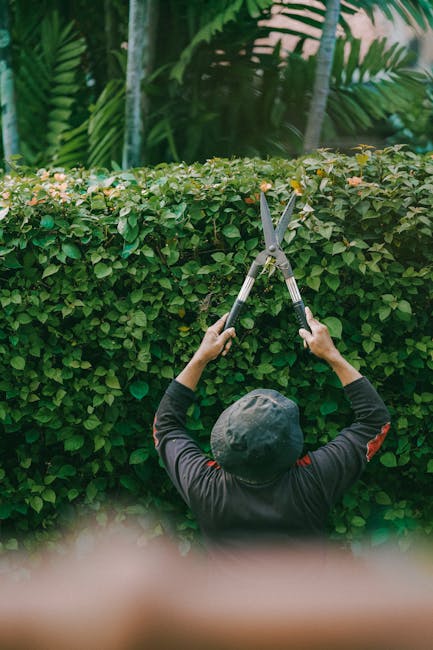
Hedge Trimming in Acton

Careful hedge trimming in Acton helps keep boundaries neat, growth balanced and planting under control without stripping away the shape that makes a hedge useful in the first place. We provide a practical trimming service for domestic gardens and other managed outdoor spaces, working with a range of hedge forms to keep them tidy, healthy-looking and suited to the space they occupy. If the hedge needs a light cut, a stronger reshape or routine seasonal attention, the work is planned to suit the plant and the result you want.
Hedges often need more than a quick pass with a machine. Different species respond differently to cutting, and the timing, method and finish all matter. We focus on clean cuts, sensible reduction and a consistent line, while avoiding unnecessary stress on the hedge. That means the work is not just about appearance; it is also about maintaining structure, controlling spread and helping the hedge remain manageable from one season to the next.
Speak to us if you want a clear quotation and a straightforward trimming plan for your garden. We can discuss the hedge type, the length involved and the kind of finish you are aiming for. A well-cut hedge can improve the whole look of a boundary, but it should still suit the plant’s growth pattern and the practical use of the space.
Routine Hedge Trimming and Reshaping
Routine hedge trimming is usually the right choice when a hedge is already healthy and mainly needs regular control. The aim is to remove fresh extension growth, keep the profile even and prevent one side from outgrowing the rest. For many gardens, this creates a cleaner outline and reduces the chance of the hedge becoming too wide, too tall or awkward to manage. It is often the simplest way to keep access open along paths, fences and drive edges.
Reshaping is a slightly different task. A hedge that has become lopsided, patchy at the base or too heavy at the top may need more selective cutting so that it can recover a better form. In these cases, we work carefully to improve balance without taking away too much at once. The right approach depends on the hedge’s condition, species and recent growth. Some hedges tolerate a firmer cut better than others, so restraint can matter as much as speed.
Seasonal Cutting and Maintenance Timing

Hedge trimming is not a one-method service. The best timing and cutting style vary with the type of plant, the condition of the growth and the result the customer wants to achieve. Some hedges benefit from regular light trimming to maintain a crisp outline, while others need less frequent attention with more careful attention to shape and density. Choosing the right schedule helps reduce rough regrowth and keeps the hedge easier to manage over time.
For established hedges, seasonal maintenance usually focuses on tidying new growth, maintaining width and preventing the hedge from becoming overextended. If the hedge has been left for a while, the work may need to be broken into sensible stages rather than forced into one severe cut. This is especially important where a hedge provides privacy, defines a garden edge or forms part of a larger planting scheme. The finish should look deliberate rather than overworked.
When you are ready, ask for a quotation and we can talk through the hedge’s current condition. If you already know the species or have photos ready, that can help set out the scope more clearly. It is also useful to mention whether you want a simple tidy-up or a fuller reduction.
Hedge Types We Commonly Work On
Different hedge plants create different trimming priorities. Dense formal hedges are usually cut for a crisp, even appearance, while looser informal hedges may need a softer hand so the natural character remains. Evergreen hedges often need measured trimming to preserve coverage, whereas deciduous hedges may be managed for shape, height and seasonal density. The service is adapted to the hedge in front of us rather than treated as a one-size-fits-all job.
Where a hedge has mixed growth, gaps or areas of uneven vigour, we try to make the finish look consistent without forcing uniformity that the plant cannot sustain. That can mean working more lightly on weaker sections and paying extra attention to top lines and sides. A hedge should still serve its practical purpose after trimming, whether that purpose is privacy, boundary definition or simply giving the garden a more ordered appearance. This is where judgement matters as much as tools.
Useful details before we quote

To prepare a sensible quotation, it helps to know the hedge length, approximate height and whether access is straightforward. If there are obstacles such as narrow side passages, awkward corners, planting beds or fixed features close to the hedge, mention those too. These details help set expectations about the amount of work involved and the level of precision needed. They also help us judge whether the job is mainly routine trimming or something more involved.
A brief description of the result you want is equally helpful. Some customers want sharp lines and a formal finish; others want a lighter tidy that keeps the hedge looking natural. If you have a preferred timeframe, include that when you enquire. It is also sensible to say whether the hedge has been trimmed recently or has been left to grow freely, as that can affect both the method and the likely finish.
- Approximate hedge length and height
- Whether the hedge needs light trimming or more noticeable reduction
- Any access limits or nearby features to work around
- The style of finish you want, from formal to natural
Finishing, Tidy-Up and Responsible Waste Handling
A good hedge trimming service should leave the boundary looking improved without leaving the rest of the garden untidy. That usually means collecting arisings, clearing loose cuttings and making sure the working area is left ready for normal use again. Finishing matters because hedge work often creates a surprising volume of small cut growth, especially where the hedge has been allowed to put on plenty of seasonal extension. Careful clearing is part of the job, not an extra afterthought.
We also think about how the hedge is left after cutting. Uneven stubs, ragged edges and over-cut corners can make a hedge look thinner than necessary, so the final pass matters. Where a hedge has been reshaped, the result should still look coherent from several angles, not just from the front. A neat final line gives the garden a more settled feel and helps the hedge stay manageable between visits.
Hedge Trimming Along Boundaries and Front Gardens

Boundary hedges often need attention because they affect how a whole property feels from the outside as well as inside the garden. Trimming can help keep them within their space, maintain access to gates and paths, and avoid encroaching on drives or neighbouring areas. In front gardens, a well-managed hedge also frames planting and hard landscaping more cleanly, which can make the whole frontage look more ordered without making it feel bare.
Where a hedge runs beside a driveway, pavement edge or fence line, the work usually benefits from a methodical approach. It is often better to work evenly along the length and recheck the line than to remove too much from one section and then try to correct it later. Consistency is the key. The result should feel intentional, with the hedge sitting comfortably within the available space and without distracting bulges or dips.
About Acton
Acton is a district in west London, within the London Borough of Ealing, and it has a long history that is reflected in the variety of its streets and public spaces. The name is often associated with the older settlement that grew along routes linking west London and Middlesex, and traces of that layered past can still be sensed in the mix of residential roads, local centres and older civic buildings. Acton Town Hall, for example, is a notable landmark on the High Street and is known for its striking early twentieth-century architecture. The area also includes a number of conservation areas and historic streets that show how it developed from a village setting into a substantial urban district. Several railway stations serve the area, including stations on the Elizabeth line and London Underground network, which have reinforced Acton’s connection to central London and the wider west side of the city. Acton Park is one of the district’s best-known green spaces, offering open ground and mature planting close to the built-up streets around it. The area is also close to larger green corridors and local parks that form part of west London’s everyday landscape. Alongside these civic and residential features, Acton has a broad commercial presence, with shops, smaller local businesses and community facilities spread across its main roads. That combination of transport links, older architecture and lived-in neighbourhood streets gives Acton a character that is both practical and varied, with different parts of the district retaining distinct local identities while still fitting into the wider fabric of west London.
Trimmed Hedges for Formal and Informal Gardens
Some gardens call for formal hedge work, where straight edges, level tops and precise side lines matter most. Other spaces suit a softer result, especially where the hedge sits among mixed planting or forms part of a more relaxed layout. The trimming method should reflect that difference. A formal hedge benefits from careful alignment and repeatable shaping, while an informal hedge often looks best when its natural outline is respected and only the overgrowth is removed.
Where hedges are part of a larger planting scheme, the finish should complement the rest of the garden instead of dominating it. This can mean keeping the line clean but not over-sharp, or reducing height just enough to restore proportion without changing the whole feel of the space. We take a practical view of the job and focus on a result that looks balanced after the cut, not only on the day of the visit but as the hedge grows on.
Getting a Quotation for Hedge Trimming

If you want a quotation for hedge trimming in Acton, the most useful first step is to share the basics of the hedge and the finish you need. A clear description helps us understand whether the work is routine maintenance, a careful reshape or a more involved reduction. The more accurate the information, the easier it is to outline the likely scope in a sensible way. That is especially important where the hedge is long, tall or awkwardly positioned.
After that, we can discuss the practical side of the job and make sure the approach suits the hedge rather than forcing it into a standard pattern. Please use the contact page to request a quotation and start the conversation. If you already know what kind of finish you want, say so plainly; if you are unsure, a brief description of the hedge’s condition is enough to begin.