Comprehensive Guide to Garden Maintenance in Acton

Maintaining a beautiful garden in Acton requires a blend of knowledge, dedication, and the right resources. Whether you're a seasoned gardener or just starting out, understanding the specific needs of your garden can make all the difference in achieving a lush and vibrant outdoor space.
Acton's unique climate and soil conditions present both challenges and opportunities for garden enthusiasts. By tailoring your garden maintenance practices to suit these local factors, you can ensure healthy plant growth, prevent common issues, and create a serene environment that enhances the beauty of your home.
In this guide, we'll explore the essential aspects of garden maintenance in Acton, including soil preparation, plant selection, regular care routines, pest management, and seasonal adjustments. With the right strategies, your garden can thrive year-round, providing a peaceful retreat and a stunning display of nature's beauty.

Understanding Acton's Climate
One of the first steps in effective garden maintenance is understanding Acton's climate. Acton experiences a temperate climate with distinct seasons, each bringing its own set of weather patterns that influence garden planning and care.
Temperature Fluctuations: Acton has warm summers and cold winters, with temperature variations that can affect plant health. Selecting plants that are hardy and can withstand these changes is crucial.
Rainfall Patterns: The region receives a moderate amount of rainfall throughout the year, but it's important to account for periods of drought or excessive moisture. Proper drainage and watering strategies can help maintain the right moisture levels for your plants.
Soil Preparation and Improvement
Healthy soil is the foundation of a thriving garden. In Acton, the soil may vary in composition, so testing and amending it as needed is essential.
Soil Testing: Conducting a soil test can reveal its pH level, nutrient content, and texture. This information helps in making informed decisions about fertilization and soil amendments.
Adding organic matter such as compost or well-rotted manure can enhance soil structure, improve drainage, and increase fertility. Regularly mulching helps retain moisture, suppress weeds, and maintain an even soil temperature.

Choosing the Right Plants for Acton Gardens
Selecting plants that are well-suited to Acton's climate and soil conditions is key to successful garden maintenance. Consider native species and those that thrive in your specific environment.
Perennials vs. Annuals: Perennials provide long-term structure and require less replanting, while annuals offer vibrant, seasonal color. A mix of both can keep your garden lively throughout the year.
Evergreens and Deciduous Plants: Incorporating both types adds depth and variety, ensuring your garden has interest even in the off-season when some plants have lost their leaves.
Regular Maintenance Tasks
Consistent care is essential for maintaining a healthy garden. Establishing a routine helps prevent problems and keeps your garden looking its best.
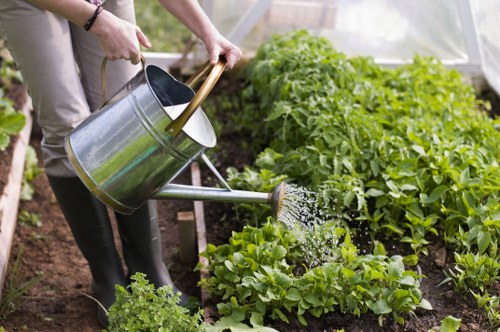
Watering: Proper watering techniques ensure that plants receive the right amount of moisture without overwatering, which can lead to root rot and other issues.
Pruning and Deadheading: Regular pruning promotes healthy growth by removing dead or diseased branches, while deadheading encourages continuous blooming in flowering plants.
Pest and Weed Management
Gardens are susceptible to pests and weeds, which can hinder plant growth and aesthetic appeal. Implementing effective management strategies is vital for maintaining garden health.
Integrated Pest Management (IPM): This approach combines biological, cultural, and chemical methods to control pests with minimal impact on the environment.
Weed Control: Regular weeding prevents unwanted plants from competing with your garden's flora. Mulching and proper lawn care can reduce weed growth naturally.
Natural Remedies:
- Introducing beneficial insects like ladybugs to combat aphids.
- Using neem oil or insecticidal soaps for organic pest control.
- Employing physical barriers such as row covers to protect delicate plants.
Seasonal Garden Care in Acton
Adapting your garden maintenance practices to the changing seasons ensures year-round beauty and plant health.
Spring: Focus on planting new annuals, fertilizing, and preparing garden beds for the growing season.
Summer: Maintain consistent watering, monitor for pests, and perform regular pruning to keep plants healthy and vibrant.
Fall:
Clean up fallen leaves, plant perennials, and prepare the garden for winter by mulching and protecting sensitive plants.
Winter: While many plants are dormant, it's important to plan for the next growing season, perform necessary maintenance on garden tools, and ensure proper storage of equipment.
Professional Garden Maintenance Services in Acton
For those who prefer expert assistance, professional garden maintenance services offer comprehensive care tailored to your garden's needs.
Benefits of Hiring Professionals: Expertise in plant care, time-saving, and access to specialized equipment contribute to a well-maintained garden.
Customized Plans: Professionals can create maintenance schedules based on your garden's specific requirements, ensuring optimal growth and health.
Choosing the Right Service:
- Research local companies with positive reviews and a proven track record.
- Discuss your garden's unique needs and verify the services offered.
- Consider pricing and ensure it fits within your budget.
Eco-Friendly Garden Practices
Incorporating sustainable practices into your garden maintenance helps protect the environment and promotes biodiversity.
Composting: Recycling garden waste into compost reduces landfill contributions and enriches the soil naturally.
Water Conservation: Implementing drip irrigation systems and rainwater harvesting minimizes water usage while keeping your garden adequately hydrated.
Organic Gardening:
Using organic fertilizers and natural pest control methods fosters a healthy ecosystem, supporting beneficial insects and wildlife.
Mulching: Organic mulches like straw, leaves, or wood chips improve soil health, retain moisture, and suppress weed growth without harmful chemicals.
Tools and Equipment for Effective Maintenance
Having the right tools is essential for efficient garden maintenance. Investing in quality equipment can make tasks easier and more enjoyable.
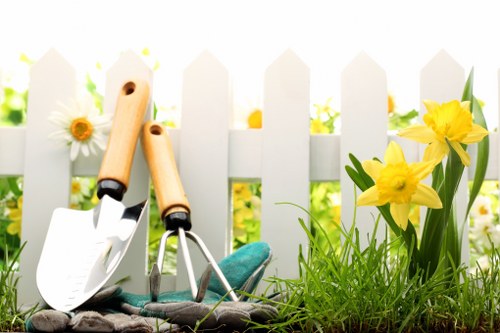
Basic Tools: Essential tools include pruners, spades, hoes, rakes, and watering cans. Keeping them well-maintained ensures their longevity and effectiveness.
Advanced Equipment: For larger gardens, consider electric or battery-powered tools like trimmers, blowers, and lawnmowers to save time and effort.
Storage and Maintenance:
- Organize tools in a dedicated storage area to keep them accessible and prevent damage.
- Regularly clean and oil tools to prevent rust and maintain their functionality.
- Replace worn or damaged tools promptly to ensure safety and efficiency.
Creating a Garden Maintenance Schedule
Developing a structured maintenance schedule helps manage tasks systematically, ensuring no aspect of garden care is overlooked.
Daily Tasks: Simple activities like checking for pests, watering, and removing weeds can be done daily to maintain garden health.
Weekly Tasks: Pruning, fertilizing, and detailed inspections of plant health should be performed on a weekly basis.
Monthly Maintenance:
Monthly tasks include deep soil amendments, major pruning sessions, and evaluating the effectiveness of pest control measures.
Seasonal Adjustments: Adapt your schedule to accommodate seasonal changes, ensuring your garden receives appropriate care throughout the year.
Common Challenges in Acton Gardens
Gardeners in Acton may face specific challenges that require targeted solutions to maintain a thriving garden.
Pest Infestations: Common pests like aphids, slugs, and caterpillars can damage plants. Early detection and prompt action are essential.
Soil Compaction: Heavy foot traffic or poor soil structure can lead to compaction, restricting root growth and water penetration. Aerating the soil can help alleviate this issue.
Disease Management:
- Monitor plants regularly for signs of disease such as discoloration or wilting.
- Implement proper sanitation practices to prevent the spread of pathogens.
- Use resistant plant varieties to minimize the risk of disease.
Enhancing Garden Aesthetics
A well-maintained garden not only thrives but also serves as a beautiful outdoor space. Enhancing aesthetics involves thoughtful design and attention to detail.
Plant Arrangement: Organize plants based on height, color, and blooming seasons to create visually appealing layers and textures.
Hardscaping Elements: Incorporate features like pathways, benches, fountains, or pergolas to add structure and interest to your garden.
Lighting:
Strategic lighting can highlight key garden features, extend usability into the evening, and enhance the overall ambiance.
Choosing the Right Fixtures: Opt for energy-efficient lighting options like LED fixtures and solar-powered lamps to reduce energy consumption.
Sustainable Gardening Practices
Embracing sustainability in your garden ensures long-term health and reduces your environmental footprint.
Native Plant Selection: Native species are adapted to local conditions, requiring less water and maintenance while supporting local wildlife.
Organic Mulching: Using organic mulches not only improves soil health but also provides habitat for beneficial microorganisms and insects.
Rain Gardens:
- Select a suitable location for capturing and managing rainwater runoff.
- Choose plants that can thrive in both wet and dry conditions.
- Design the garden to filter pollutants and prevent erosion.
Technology in Garden Maintenance
Modern technology offers innovative solutions to streamline garden maintenance and improve efficiency.
Smart Irrigation Systems: Automated watering systems can adjust based on weather conditions, ensuring optimal moisture levels without manual intervention.
Garden Sensors: Soil moisture sensors, temperature monitors, and light sensors provide real-time data to inform your maintenance practices.
Mobile Apps:
Various apps can help track maintenance schedules, identify plants and pests, and provide gardening tips tailored to Acton's climate.
Automated Tools: Robotic lawnmowers and automated feeders for plants reduce the time and effort required for regular upkeep.
Community and Resources
Engaging with the local gardening community and utilizing available resources can enhance your garden maintenance efforts.
Local Gardening Clubs: Joining clubs provides opportunities to share knowledge, participate in events, and gain support from fellow gardeners.
Workshops and Classes: Attending educational sessions helps you stay updated on best practices and new gardening techniques.
Online Resources:
- Local extension services offer valuable information on soil health, pest management, and plant selection.
- Gardening blogs and forums provide a platform to ask questions and exchange ideas with a broader audience.
- Social media groups can connect you with nearby gardeners and provide inspiration for your garden projects.
Final Thoughts on Garden Maintenance in Acton
Maintaining a garden in Acton is a rewarding endeavor that combines creativity, patience, and careful planning. By understanding the local climate, preparing the soil, selecting appropriate plants, and adhering to regular maintenance routines, you can cultivate a garden that not only looks stunning but also thrives sustainably.
Embracing eco-friendly practices and leveraging modern technology can further enhance your garden's health and beauty, making it a true sanctuary in your home. Whether you choose to maintain your garden independently or seek professional assistance, the key to success lies in consistent care and a passion for gardening.
Ready to transform your outdoor space? Contact us today to schedule your garden maintenance services in Acton and enjoy a flourishing garden all year round.